
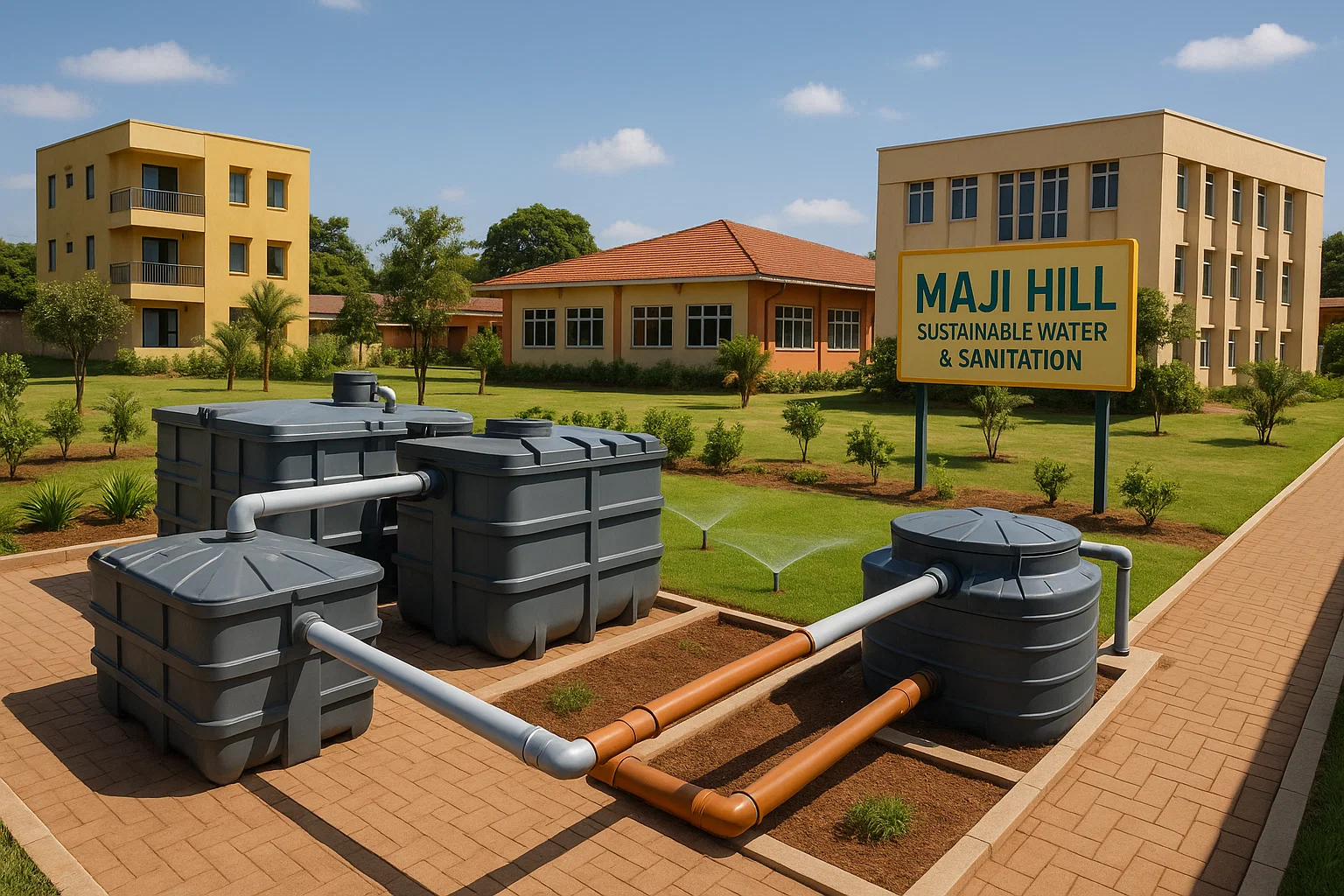
𝗢𝗻-𝗦𝗶𝘁𝗲 𝗪𝗮𝘀𝘁𝗲𝘄𝗮𝘁𝗲𝗿 𝗧𝗿𝗲𝗮𝘁𝗺𝗲𝗻𝘁 𝗶𝗻 𝗞𝗲𝗻𝘆𝗮 & 𝗔𝗳𝗿𝗶𝗰𝗮: 𝗦𝗺𝗮𝗿𝘁, 𝗦𝘂𝘀𝘁𝗮𝗶𝗻𝗮𝗯𝗹𝗲 & 𝗖𝗼𝗺𝗽𝗹𝗶𝗮𝗻𝘁 𝗦𝗼𝗹𝘂𝘁𝗶𝗼𝗻𝘀
As urbanization, population growth, and industrial expansion increase across 𝗞𝗲𝗻𝘆𝗮 𝗮𝗻𝗱 𝗔𝗳𝗿𝗶𝗰𝗮, wastewater management has become one of the region’s biggest challenges. Traditional centralized sewer systems are costly, slow to develop, and often inaccessible in peri-urban and rural communities.
The result? 𝗨𝗻𝘁𝗿𝗲𝗮𝘁𝗲𝗱 𝘄𝗮𝘀𝘁𝗲𝘄𝗮𝘁𝗲𝗿 𝗽𝗼𝗹𝗹𝘂𝘁𝗶𝗻𝗴 𝗿𝗶𝘃𝗲𝗿𝘀, 𝗴𝗿𝗼𝘂𝗻𝗱𝘄𝗮𝘁𝗲𝗿, 𝗮𝗻𝗱 𝗲𝗰𝗼𝘀𝘆𝘀𝘁𝗲𝗺𝘀, leading to public health risks, high operational costs, and non-compliance with 𝗡𝗘𝗠𝗔 and other regulatory frameworks.
The solution lies in 𝗢𝗻-𝗦𝗶𝘁𝗲 𝗪𝗮𝘀𝘁𝗲𝘄𝗮𝘁𝗲𝗿 𝗧𝗿𝗲𝗮𝘁𝗺𝗲𝗻𝘁 (𝗢𝗪𝗧) — a 𝗱𝗲𝗰𝗲𝗻𝘁𝗿𝗮𝗹𝗶𝘇𝗲𝗱, 𝘀𝗰𝗮𝗹𝗮𝗯𝗹𝗲, 𝗮𝗻𝗱 𝗰𝗼𝘀𝘁-𝗲𝗳𝗳𝗲𝗰𝘁𝗶𝘃𝗲 𝗮𝗹𝘁𝗲𝗿𝗻𝗮𝘁𝗶𝘃𝗲 to traditional sewer networks.
👉 Learn more about our services here: 𝗢𝗻-𝗦𝗶𝘁𝗲 𝗪𝗮𝘀𝘁𝗲𝘄𝗮𝘁𝗲𝗿 𝗧𝗿𝗲𝗮𝘁𝗺𝗲𝗻𝘁 – 𝗠𝗮𝗷𝗶 𝗛𝗶𝗹𝗹
🌍 𝗪𝗵𝗮𝘁 𝗶𝘀 𝗢𝗻-𝗦𝗶𝘁𝗲 𝗪𝗮𝘀𝘁𝗲𝘄𝗮𝘁𝗲𝗿 𝗧𝗿𝗲𝗮𝘁𝗺𝗲𝗻𝘁?
𝗢𝗻-𝗦𝗶𝘁𝗲 𝗪𝗮𝘀𝘁𝗲𝘄𝗮𝘁𝗲𝗿 𝗧𝗿𝗲𝗮𝘁𝗺𝗲𝗻𝘁 (𝗢𝗪𝗧) refers to the process of treating sewage and effluent 𝗱𝗶𝗿𝗲𝗰𝘁𝗹𝘆 𝗮𝘁 𝘁𝗵𝗲 𝘀𝗼𝘂𝗿𝗰𝗲 𝗼𝗳 𝗴𝗲𝗻𝗲𝗿𝗮𝘁𝗶𝗼𝗻 — whether in estates, schools, hospitals, hotels, or industrial facilities — without relying on a central sewer system.
By treating wastewater 𝗼𝗻 𝗹𝗼𝗰𝗮𝘁𝗶𝗼𝗻, organizations reduce risks, minimize environmental impact, and unlock opportunities for 𝘄𝗮𝘁𝗲𝗿 𝗿𝗲𝗰𝘆𝗰𝗹𝗶𝗻𝗴 𝗮𝗻𝗱 𝗿𝗲𝘂𝘀𝗲.
𝗞𝗲𝘆 𝘀𝘆𝘀𝘁𝗲𝗺𝘀 𝗶𝗻𝗰𝗹𝘂𝗱𝗲:
𝗦𝗲𝗽𝘁𝗶𝗰 𝘁𝗮𝗻𝗸𝘀 𝗮𝗻𝗱 𝗯𝗶𝗼-𝗱𝗶𝗴𝗲𝘀𝘁𝗲𝗿𝘀
𝗦𝗲𝘄𝗮𝗴𝗲 𝗧𝗿𝗲𝗮𝘁𝗺𝗲𝗻𝘁 𝗣𝗹𝗮𝗻𝘁𝘀 (𝗦𝗧𝗣𝘀)
𝗘𝗳𝗳𝗹𝘂𝗲𝗻𝘁 𝗧𝗿𝗲𝗮𝘁𝗺𝗲𝗻𝘁 𝗣𝗹𝗮𝗻𝘁𝘀 (𝗘𝗧𝗣𝘀)
𝗖𝗼𝗻𝘀𝘁𝗿𝘂𝗰𝘁𝗲𝗱 𝘄𝗲𝘁𝗹𝗮𝗻𝗱𝘀 𝗮𝗻𝗱 𝗻𝗮𝘁𝘂𝗿𝗮𝗹 𝗳𝗶𝗹𝘁𝗿𝗮𝘁𝗶𝗼𝗻 𝘀𝘆𝘀𝘁𝗲𝗺𝘀
𝗦𝗺𝗮𝗿𝘁 𝗺𝗼𝗻𝗶𝘁𝗼𝗿𝗶𝗻𝗴 𝘁𝗵𝗿𝗼𝘂𝗴𝗵 𝗜𝗼𝗧-𝗲𝗻𝗮𝗯𝗹𝗲𝗱 𝗱𝗮𝘀𝗵𝗯𝗼𝗮𝗿𝗱𝘀
⚡ 𝗪𝗵𝘆 𝗢𝗻-𝗦𝗶𝘁𝗲 𝗪𝗮𝘀𝘁𝗲𝘄𝗮𝘁𝗲𝗿 𝗧𝗿𝗲𝗮𝘁𝗺𝗲𝗻𝘁 𝗠𝗮𝘁𝘁𝗲𝗿𝘀 𝗶𝗻 𝗞𝗲𝗻𝘆𝗮 & 𝗔𝗳𝗿𝗶𝗰𝗮
1. 𝗣𝘂𝗯𝗹𝗶𝗰 𝗛𝗲𝗮𝗹𝘁𝗵 𝗣𝗿𝗼𝘁𝗲𝗰𝘁𝗶𝗼𝗻
Untreated wastewater causes outbreaks of cholera, typhoid, and dysentery. OWT systems ensure safe disposal and protect communities.
2. 𝗥𝗲𝗴𝘂𝗹𝗮𝘁𝗼𝗿𝘆 𝗖𝗼𝗺𝗽𝗹𝗶𝗮𝗻𝗰𝗲
With 𝗡𝗘𝗠𝗔 𝘀𝘁𝗮𝗻𝗱𝗮𝗿𝗱𝘀 and 𝗪𝗔𝗦𝗥𝗘𝗕 𝗴𝘂𝗶𝗱𝗲𝗹𝗶𝗻𝗲𝘀 tightening, industries and institutions must ensure proper treatment to avoid penalties and reputational risks.
3. 𝗖𝗼𝘀𝘁 𝗦𝗮𝘃𝗶𝗻𝗴𝘀
Cut expenses linked to wastewater hauling, centralized disposal, and fines for non-compliance.
4. 𝗪𝗮𝘁𝗲𝗿 𝗥𝗲𝗰𝘆𝗰𝗹𝗶𝗻𝗴 & 𝗥𝗲𝘂𝘀𝗲
Treated water can be safely reused for irrigation, landscaping, toilet flushing, and some industrial processes.
5. 𝗘𝗻𝘃𝗶𝗿𝗼𝗻𝗺𝗲𝗻𝘁𝗮𝗹 𝗦𝘂𝘀𝘁𝗮𝗶𝗻𝗮𝗯𝗶𝗹𝗶𝘁𝘆
Prevent groundwater pollution, protect aquatic life, and contribute to 𝗦𝗗𝗚 𝟲 – 𝗖𝗹𝗲𝗮𝗻 𝗪𝗮𝘁𝗲𝗿 & 𝗦𝗮𝗻𝗶𝘁𝗮𝘁𝗶𝗼𝗻.
🔧 𝗠𝗮𝗷𝗶 𝗛𝗶𝗹𝗹’𝘀 𝗔𝗽𝗽𝗿𝗼𝗮𝗰𝗵 𝘁𝗼 𝗢𝗻-𝗦𝗶𝘁𝗲 𝗪𝗮𝘀𝘁𝗲𝘄𝗮𝘁𝗲𝗿 𝗧𝗿𝗲𝗮𝘁𝗺𝗲𝗻𝘁
At 𝗠𝗮𝗷𝗶 𝗛𝗶𝗹𝗹, we deliver 𝗲𝗻𝗱-𝘁𝗼-𝗲𝗻𝗱 𝘄𝗮𝘀𝘁𝗲𝘄𝗮𝘁𝗲𝗿 𝘁𝗿𝗲𝗮𝘁𝗺𝗲𝗻𝘁 𝘀𝗼𝗹𝘂𝘁𝗶𝗼𝗻𝘀 tailored to 𝗞𝗲𝗻𝘆𝗮 𝗮𝗻𝗱 𝗔𝗳𝗿𝗶𝗰𝗮’𝘀 𝘂𝗻𝗶𝗾𝘂𝗲 𝗻𝗲𝗲𝗱𝘀.
Our offerings include:
𝗦𝗲𝗽𝘁𝗶𝗰 𝘀𝘆𝘀𝘁𝗲𝗺𝘀 & 𝗯𝗶𝗼-𝗱𝗶𝗴𝗲𝘀𝘁𝗲𝗿𝘀 for estates and communities
𝗣𝗮𝗰𝗸𝗮𝗴𝗲𝗱 𝗦𝗧𝗣𝘀 & 𝗘𝗧𝗣𝘀 for industrial facilities, hospitals, and schools
𝗘𝗰𝗼-𝗳𝗿𝗶𝗲𝗻𝗱𝗹𝘆 𝘄𝗲𝘁𝗹𝗮𝗻𝗱𝘀 for sustainable wastewater management
𝗦𝗺𝗮𝗿𝘁 𝘄𝗮𝘁𝗲𝗿 𝗺𝗼𝗻𝗶𝘁𝗼𝗿𝗶𝗻𝗴 & 𝗮𝗻𝗮𝗹𝘆𝘁𝗶𝗰𝘀 𝗱𝗮𝘀𝗵𝗯𝗼𝗮𝗿𝗱𝘀 for performance tracking and compliance reporting
𝗖𝘂𝘀𝘁𝗼𝗺𝗶𝘇𝗲𝗱 𝘄𝗮𝘀𝘁𝗲𝘄𝗮𝘁𝗲𝗿 𝗿𝗲𝘂𝘀𝗲 𝘀𝘆𝘀𝘁𝗲𝗺𝘀 to lower water bills and boost sustainability
✅ 𝗪𝗵𝗼 𝗕𝗲𝗻𝗲𝗳𝗶𝘁𝘀 𝗳𝗿𝗼𝗺 𝗢𝗻-𝗦𝗶𝘁𝗲 𝗪𝗮𝘀𝘁𝗲𝘄𝗮𝘁𝗲𝗿 𝗧𝗿𝗲𝗮𝘁𝗺𝗲𝗻𝘁?
𝗥𝗲𝗮𝗹 𝗲𝘀𝘁𝗮𝘁𝗲 𝗱𝗲𝘃𝗲𝗹𝗼𝗽𝗲𝗿𝘀 & 𝗴𝗮𝘁𝗲𝗱 𝗰𝗼𝗺𝗺𝘂𝗻𝗶𝘁𝗶𝗲𝘀 – Reliable, affordable sanitation for residents
𝗜𝗻𝗱𝘂𝘀𝘁𝗿𝗶𝗲𝘀 & 𝗳𝗮𝗰𝘁𝗼𝗿𝗶𝗲𝘀 – Meet effluent discharge standards while recycling water
𝗛𝗼𝘀𝗽𝗶𝘁𝗮𝗹𝘀 & 𝘀𝗰𝗵𝗼𝗼𝗹𝘀 – Ensure safe, continuous sanitation where people live, learn, and work
𝗛𝗼𝘁𝗲𝗹𝘀 & 𝗿𝗲𝘀𝗼𝗿𝘁𝘀 – Achieve green certifications and reduce water footprint
𝗖𝗼𝘂𝗻𝘁𝗶𝗲𝘀 & 𝗺𝘂𝗻𝗶𝗰𝗶𝗽𝗮𝗹𝗶𝘁𝗶𝗲𝘀 – Extend sanitation access without heavy infrastructure costs
🌱 𝗧𝗵𝗲 𝗙𝘂𝘁𝘂𝗿𝗲 𝗼𝗳 𝗪𝗮𝘀𝘁𝗲𝘄𝗮𝘁𝗲𝗿 𝗶𝗻 𝗔𝗳𝗿𝗶𝗰𝗮
As climate change, water scarcity, and rapid urbanization intensify, 𝗱𝗲𝗰𝗲𝗻𝘁𝗿𝗮𝗹𝗶𝘇𝗲𝗱 𝘄𝗮𝘀𝘁𝗲𝘄𝗮𝘁𝗲𝗿 𝘁𝗿𝗲𝗮𝘁𝗺𝗲𝗻𝘁 will be central to Africa’s sustainable development.
With technologies like 𝗜𝗼𝗧 𝗺𝗼𝗻𝗶𝘁𝗼𝗿𝗶𝗻𝗴, 𝗔𝗜-𝗱𝗿𝗶𝘃𝗲𝗻 𝗮𝗻𝗮𝗹𝘆𝘁𝗶𝗰𝘀, 𝗮𝗻𝗱 𝗺𝗼𝗱𝘂𝗹𝗮𝗿 𝘁𝗿𝗲𝗮𝘁𝗺𝗲𝗻𝘁 𝘀𝘆𝘀𝘁𝗲𝗺𝘀, organizations can ensure compliance, reduce costs, and contribute to a healthier environment.
👉 Partner with 𝗠𝗮𝗷𝗶 𝗛𝗶𝗹𝗹 today to design and implement a 𝗰𝘂𝘀𝘁𝗼𝗺 𝗢𝗻-𝗦𝗶𝘁𝗲 𝗪𝗮𝘀𝘁𝗲𝘄𝗮𝘁𝗲𝗿 𝗧𝗿𝗲𝗮𝘁𝗺𝗲𝗻𝘁 𝘀𝘆𝘀𝘁𝗲𝗺 for your home, estate, or institution.
Learn more here: 𝗢𝗻-𝗦𝗶𝘁𝗲 𝗪𝗮𝘀𝘁𝗲𝘄𝗮𝘁𝗲𝗿 𝗧𝗿𝗲𝗮𝘁𝗺𝗲𝗻𝘁 – 𝗠𝗮𝗷𝗶 𝗛𝗶𝗹𝗹
❓ 𝗙𝗔𝗤𝘀 𝗼𝗻 𝗢𝗻-𝗦𝗶𝘁𝗲 𝗪𝗮𝘀𝘁𝗲𝘄𝗮𝘁𝗲𝗿 𝗧𝗿𝗲𝗮𝘁𝗺𝗲𝗻𝘁 𝗶𝗻 𝗞𝗲𝗻𝘆𝗮 & 𝗔𝗳𝗿𝗶𝗰𝗮
Q1: 𝗛𝗼𝘄 𝗱𝗼𝗲𝘀 𝗼𝗻-𝘀𝗶𝘁𝗲 𝘄𝗮𝘀𝘁𝗲𝘄𝗮𝘁𝗲𝗿 𝘁𝗿𝗲𝗮𝘁𝗺𝗲𝗻𝘁 𝘄𝗼𝗿𝗸?
A: Wastewater is collected, treated using biological and mechanical processes, and discharged safely or reused for non-potable purposes.
Q2: 𝗜𝘀 𝗶𝘁 𝗮𝗽𝗽𝗿𝗼𝘃𝗲𝗱 𝗯𝘆 𝗡𝗘𝗠𝗔 𝗮𝗻𝗱 𝗹𝗼𝗰𝗮𝗹 𝗿𝗲𝗴𝘂𝗹𝗮𝘁𝗼𝗿𝘀?
A: Yes. Properly designed systems meet 𝗡𝗘𝗠𝗔, 𝗪𝗔𝗦𝗥𝗘𝗕, and county sanitation regulations.
Q3: 𝗪𝗵𝗼 𝗻𝗲𝗲𝗱𝘀 𝘁𝗵𝗶𝘀 𝘀𝗼𝗹𝘂𝘁𝗶𝗼𝗻 𝗺𝗼𝘀𝘁?
A: Estates, schools, hospitals, hotels, factories, and institutions in off-grid or sewer-limited areas.
Q4: 𝗖𝗮𝗻 𝘁𝗵𝗲 𝘁𝗿𝗲𝗮𝘁𝗲𝗱 𝘄𝗮𝘀𝘁𝗲𝗪𝗮𝘁𝗲𝗿 𝗯𝗲 𝗿𝗲𝘂𝘀𝗲𝗱?
A: Absolutely. Treated effluent can be reused for landscaping, irrigation, cooling, and other non-potable applications.
Q5: 𝗛𝗼𝘄 𝗺𝘂𝗰𝗵 𝗱𝗼𝗲𝘀 𝗶𝘁 𝗰𝗼𝘀𝘁 𝘁𝗼 𝗶𝗻𝘀𝘁𝗮𝗹𝗹?
A: Costs vary depending on site size, effluent type, and treatment requirements. Maji Hill provides tailored, cost-effective solutions.
📞 𝗟𝗲𝘁’𝘀 𝗕𝘂𝗶𝗹𝗱 𝗮 𝗦𝗮𝗳𝗲𝗿, 𝗦𝗺𝗮𝗿𝘁𝗲𝗿 𝗪𝗮𝘁𝗲𝗿 𝗙𝘂𝘁𝘂𝗿𝗲
At Maji Hill, we believe sustainable water and sanitation solutions are key to Africa’s growth. Our on-site wastewater treatment systems help organizations:
✔ Cut costs
✔ Protect the environment
✔ Comply with regulations
✔ Reuse water efficiently
📍 𝗖𝗼𝗻𝘁𝗮𝗰𝘁 𝗠𝗮𝗷𝗶 𝗛𝗶𝗹𝗹
📧 Email: info@majihill.co.ke
📞 Phone: +254 700 000 000
🌐 Website: www.majihill.co.ke
🏢 Office: Nairobi, Kenya
💬 Get in touch with us today and let’s design a cost-effective, eco-friendly, and compliant wastewater solution tailored for your site.