
Your water tank is a critical infrastructure asset, yet it’s often the most overlooked component of facility management. Whether you operate a hotel, manage commercial property, run a hospital, or oversee an industrial facility, what’s happening inside your water storage system directly impacts your operations, compliance status, and profitability.
Let’s examine what really accumulates in neglected water tanks and why it matters to your bottom line.
The Contamination You Can’t See
Commercial and residential water tanks create ideal conditions for various contaminants that compromise water quality and create operational liabilities:
Bacterial Colonies and Pathogens
Stagnant water in tanks becomes a breeding ground for harmful bacteria including Legionella, and Salmonella. Kenya’s warm climate accelerates bacterial growth year-round. For businesses, this creates serious risks:
- Healthcare facilities: Patient infections and potential medical malpractice exposure
- Hospitality sector: Guest illness, negative reviews, and tourism board penalties
- Food service operations: Health code violations and forced closures
- Residential properties: Tenant lawsuits and liability claims
Legionella bacteria, which causes Legionnaires’ disease, is particularly concerning for facilities with cooling towers, spas, or large plumbing systems.
Algae Blooms and Toxin Production
Algae growth occurs when sunlight penetrates damaged or poorly sealed tanks. Beyond the unpleasant taste and odour, algae creates operational challenges:
- Clogs filtration systems and increases maintenance frequency
- Produces toxins that can trigger allergic reactions
- Indicates compromised tank integrity requiring repair
- Feeds bacterial growth, compounding contamination issues
Biofilm: The Persistent Threat
Biofilm is a slimy bacterial layer coating tank surfaces invisible to the naked eye but constantly releasing pathogens into your water supply. This is the most difficult contaminant to eliminate without professional intervention.
For facilities with sensitive operations (hospitals, laboratories, food processing), biofilm contamination can compromise sterile procedures, contaminate manufacturing processes, violate ISO certification requirements, and fail regulatory audits.
Sediment Accumulation and System Degradation
Minerals, rust, dirt, and organic matter settle as sludge at tank bottoms. This seemingly minor issue has major operational consequences. It cause equipment damage by reducing efficiency and lifespan of boilers, water heaters, and HVAC systems, plumbing problems by corroding pipes and clogs fixtures, increasing maintenance costs, energy waste because sediment-laden systems work harder, consuming more energy, fire safety risks as sediment can compromise sprinkler system functionality.
Pest Infiltration
Improperly sealed tanks become habitats for mosquitoes, insects, and small animals. Beyond the obvious health concerns, this creates: Vector-borne disease risks (mosquitoes breeding in tanks), additional pathogen introduction from animal waste, regulatory violations and public health citations, and reputation damage if discovered during inspections
The Real Business Impact of Water Contamination
Water tank contamination isn’t just a maintenance issue, it’s a multi-dimensional business risk. Poor water management can lead to costly consequences. Emergency cleaning often costs several times more than scheduled maintenance, and premature equipment failure adds further expense. Facilities may also lose revenue from closures, refunds, or cancelled events, and may face legal fees from illness claims or regulatory penalties.
Non-compliance risks include Public Health Act violations, failed inspections, and loss of operating licenses or certifications. Beyond finances, reputation suffers through negative reviews, media coverage, and declining client trust. Operationally, unplanned shutdowns, crisis management, alternative water sourcing, and increased inspections disrupt normal activities and strain staff and resources.
Why Professional Maintenance Matters
Forward-thinking facility managers treat water tank maintenance as preventive infrastructure management. Regular professional cleaning helps you stay compliant, keeps equipment running longer, protects your brand by ensuring clean, safe water, and reduces the stress of unexpected breakdowns. It even supports your sustainability goals by keeping systems running efficiently.
Industry-Specific Water Quality Risks
Hospitality: Guest satisfaction scores correlate directly with perceived cleanliness, including water quality. One contamination incident can erase years of positive reviews.
Healthcare: Patient safety is non-negotiable. Waterborne pathogens in healthcare settings can be life-threatening and expose facilities to significant liability.
Property Management: Water quality affects tenant retention and property values. Proactive maintenance is a competitive differentiator in the real estate market.
Manufacturing/Industrial: Water quality impacts product quality, equipment efficiency, and workplace safety. Contamination can halt production and affect product specifications.
Partner with Proven Experts
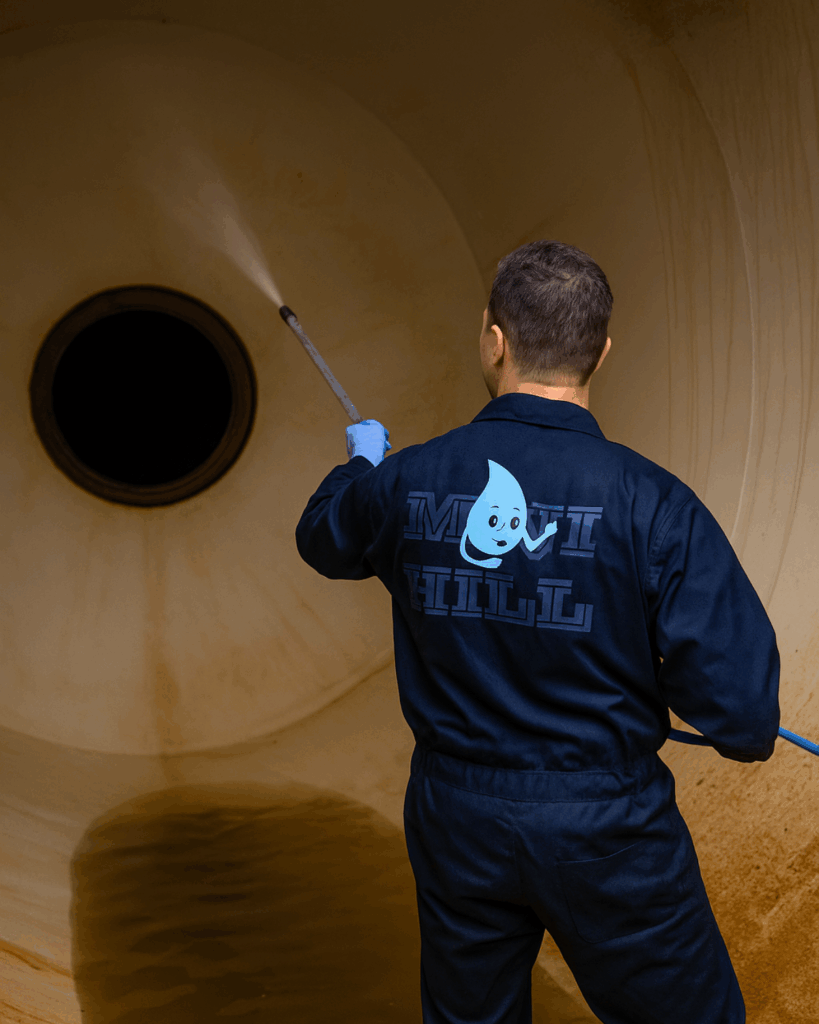
At Majihill, we provide comprehensive commercial water tank maintenance tailored to your facility’s requirements. Protect your facility, your operations, and your reputation. Contact us today to discuss a water tank maintenance strategy that aligns with your business objectives and regulatory requirements. Let’s turn your water storage system from a hidden liability into a managed asset.
Also read: Professional Water Tank Cleaning in Kenya – Keep Your Water Safe and Healthy